Fred Miranda
Offline
Admin
Upload & Sell: On
|
 p.2 #3 · Light Lens Lab 28mm f/2.8 9-Element Review p.2 #3 · Light Lens Lab 28mm f/2.8 9-Element Review | |
Back to Quick Links
Final Thoughts
The Light Lens Lab 28mm f/2.8 9-Element is my first experience with a Light Lens Lab lens, and after spending some quality time with it, I’m quite impressed. For many, a 28mm f/2.8 might not seem particularly exciting, but this lens stands out. It’s like a modern rework of the Leica 28mm f/2.8 Elmarit 9-Element, with updated optical performance that keeps the vintage character intact. From minimum focus distance to infinity, it performs admirably, and I think shooters using high-megapixel sensors will really appreciate its capabilities.
In this review, I’ve examined the key characteristics of the lens and compared it to one of the best modern 28mm f/2.8 lenses I could find --- the Voigtlander 28mm f/2.8 Color-Skopar. These two lenses are in completely different size categories (the Voigtlander is essentially a pancake lens), but it was fascinating to compare them in terms of resolution, contrast, rendering, and how well they control optical imperfections.
Both lenses deliver impressive performance, but surprisingly, the Light Lens Lab outperforms the Voigtlander when shot wide open at the center and mid-field. The Voigtlander has an edge in the corners, and both lenses offer very similar performance starting at f/4 --- but the similarities end there. The field curvature of both lenses differs significantly: the Voigtlander produces a more neutral field curvature, while the LLL shows a more pronounced outward curvature. The Light Lens Lab also produces less vignetting and offers better correction of lateral chromatic aberration. While the LLL does produce sunstars, they tend to be uneven and less visually appealing at smaller apertures. In contrast, the Voigtlander excels in this area, delivering well-defined sunstars and exceptional flare resistance, which helps maintain higher contrast.
In terms of rendering, the Light Lens Lab offers smoother transitions and less outlining compared to the Voigtlander, which has a more characterful structured rendering. However, the LLL’s outward field curvature results in some rendering unevenness, with areas in the corners appearing sharper than they should. The Light Lens Lab also leans towards cooler tones and has a slightly narrower angle of view, giving it a distinct look and feel.
When it comes to distortion, the Light Lens Lab does exhibit noticeable pincushion distortion, but it’s easily correctable in post-processing, as I’ve noted in the distortion section of this review.
After spending time with the Light Lens Lab 28mm f/2.8, I’m not sure it’s the right choice for everyone. While it performs exceptionally well, there are much faster 28mm lenses out there that are smaller, lighter, and may offer even better performance. However, for those who appreciate the design and aesthetics, along with a substantial performance upgrade over the Leica version, this could be a great alternative. The original Leica Elmarit is rare and expensive, and while it has a dedicated fanbase, it doesn’t offer much beyond its prestige. Leica purists may not love how this lens outperforms the original, but I think that’s a relatively small group of potential buyers.
Pros:- Excellent resolution from minimal focus to infinity at the center and mid-field.
- Sturdy construction, essentially a Leica clone with precise tolerances; my copy was well-centered and calibrated with the rangefinder.
- Lower optical vignetting compared to most 28mm M lenses.
- The rendering is pleasant, reminiscent of the original Leica design, though it does have some drawbacks (see Cons).
- Approximately 120 degrees of focus throw, making it easier to achieve precise focus.
- Strong control over chromatic aberration (both lateral and axial).
Cons:- Noticeable pincushion distortion.
- Aperture mechanism produces defined 10-pointed sunstars, though they can be uneven.
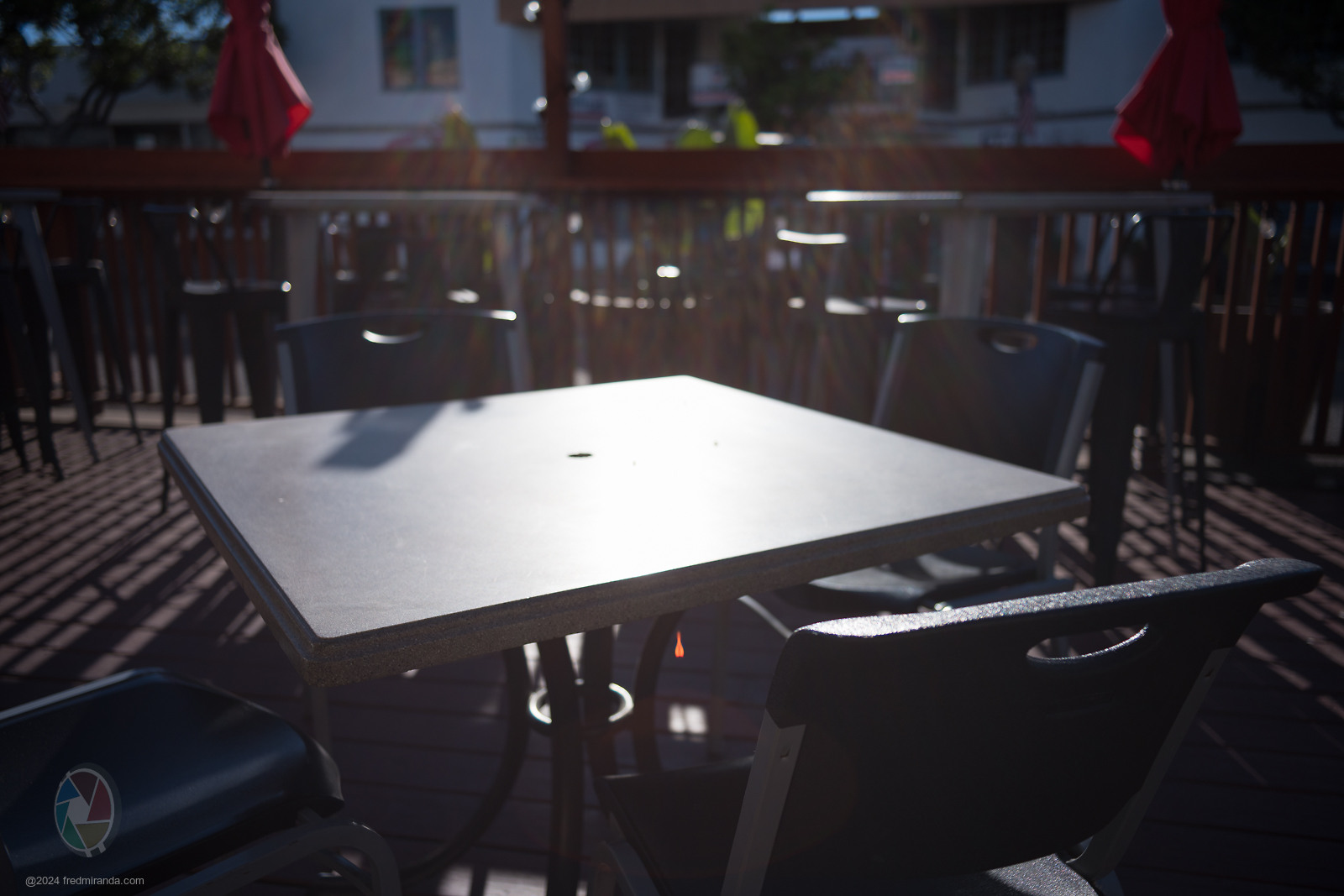
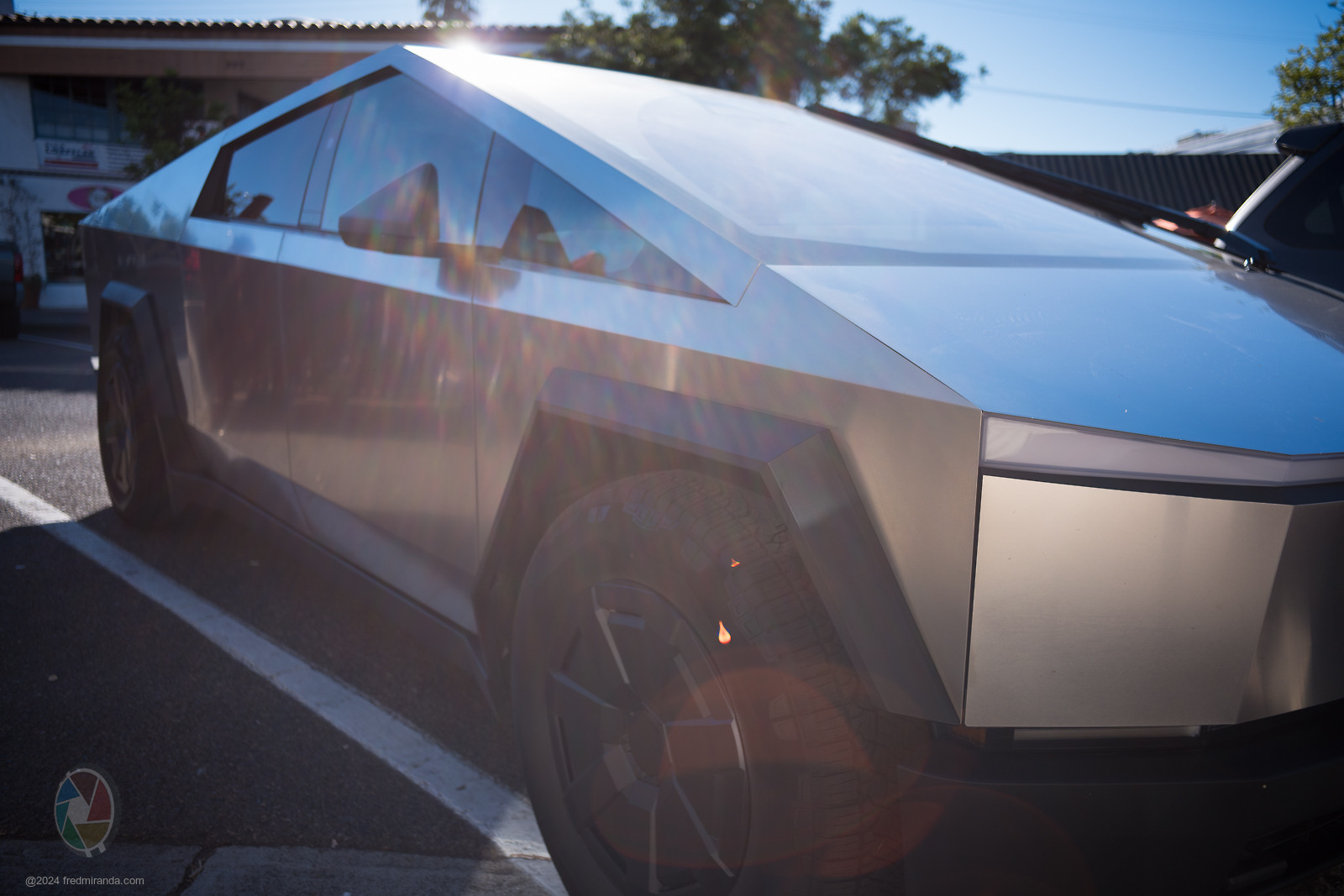
- Prone to flare, which can reduce clarity and contrast, though it adds a cinematographic, vintage feel.
- Outward field curvature shape causes uneven rendering based on subject distance.
- Corners lack sharpness at wider apertures.
|